
Earlier this year, NHS Employers, the organisation responsible for supporting health service workforce leaders, published an interesting article on burnout in the NHS.
There were some troubling but unfortunately not surprising statistics, including that NHS staff are 50 per cent more likely than the general population to experience chronic stress, which is known to contribute to burnout. It also said that factors such as staff shortages, high workload, and pressures to maintain high quality patient care all exacerbated the problem.
With awareness of these challenges so universally high, it is no wonder that many healthcare marketing or communications professionals are anxious about how to articulate the need for change to these audience groups - e.g. use our technology or implement our recommendation - without appearing to be critical of them.
As a health PR agency that is very well-versed in tackling this challenge, here are three ways you can use empathy to make your healthcare communications activity more effective and more human.
Blame the system, not the individual
The truth is that most healthcare education programmes or policy initiatives are launched because the current approach is not meeting the needs of patients, and most health or medical technology is developed because existing care is not as efficient or effective as it could be.
However, when messaging is not well-designed, it can inadvertently blame clinicians or healthcare workers for these failures.
Yet, far from being the fault of individuals, most current issues are at least partly the fault of a dysfunctional healthcare system. The NHS is underfunded; its staff are overworked; its national body has been abolished and its regional ICB workforces are being cut by 50%. By acknowledging these external factors, we can more accurately and empathetically articulate the need for change.
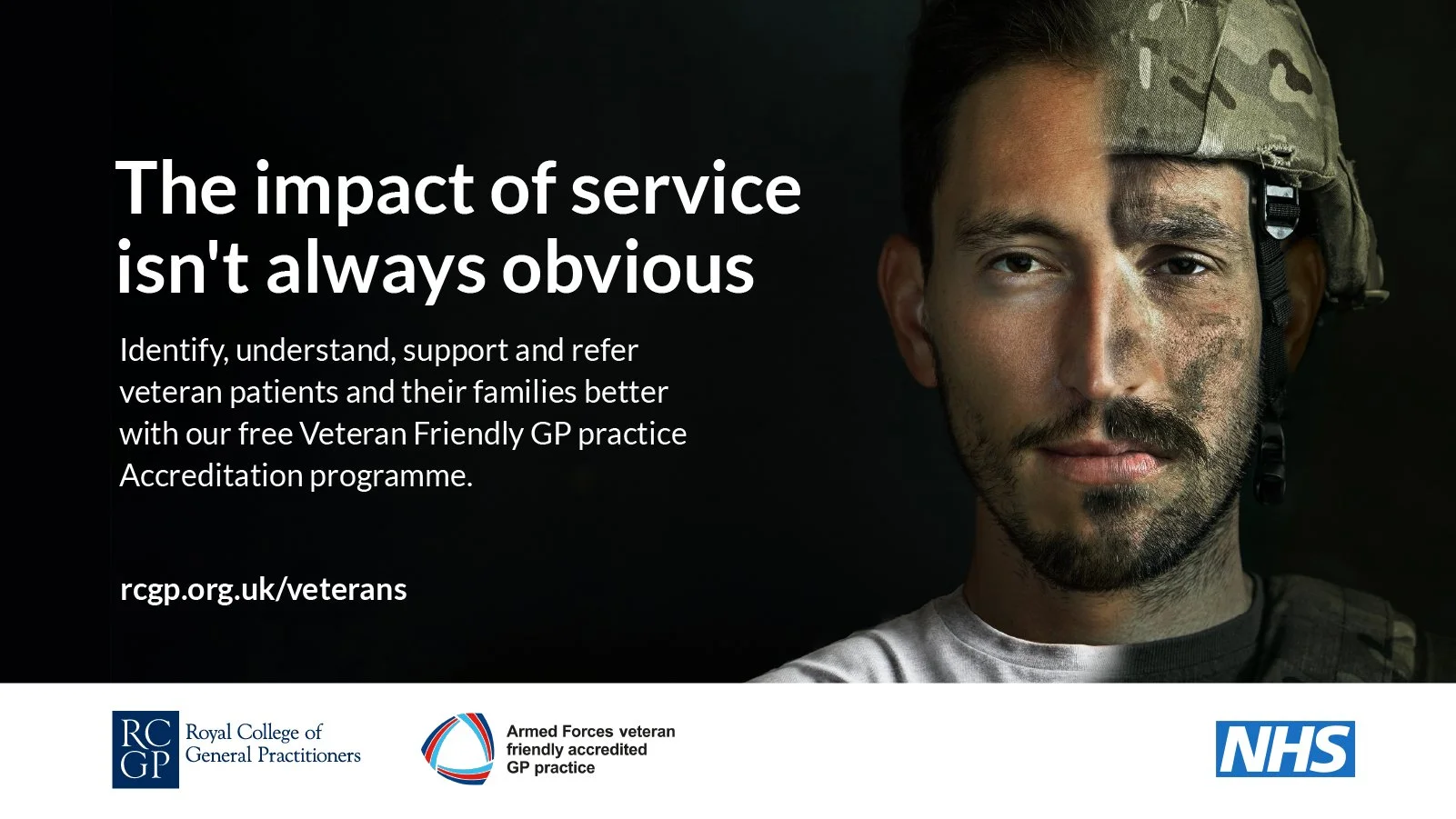
When supporting the Royal College of GPs to increase the number of GP practices signing up to its ‘Veteran Friendly’ Accreditation programme, we wanted to communicate to staff the importance of signing up so that veterans get access to the best care - without inadvertently implying that hard working primary care teams were ‘doing something wrong’. The key insight was that veterans can have specific health needs, but the Armed Forces culture of not asking for help was resulting in many not seeking support, especially as they worried that their circumstances wouldn’t be understood by a civilian healthcare professional.
By basing messaging on helping healthcare staff to understand the cultural barriers that Armed Forces personnel felt around accessing support, and educating them on the fact that getting ‘accredited’ sends a powerful signal to veterans that they will be understood, we were able to ensure that staff didn’t feel criticised, but did feel an emotional draw towards getting accredited. Our campaign has consistently been well supported by healthcare institutions, media and practitioners, with more than 300 articles, broadcasts, webinars and newsletter spots secured - and we’re proud of the fact that more than 70% of GP practices in England are now accredited. The campaign won a CIPR Excellence Award this year, as the UK’s Best Long Term Campaign. You can read the case study here.
We took a similar approach when we worked with Meddbase, whose medical software was launched to NHS ICBs because not enough patients were being referred to the NHS Diabetes Programme (NHS DPP) by their GP and, of those that were, not enough were engaging.
In articulating this story, we felt it was very important that we bring to life the record demand that GP services were facing, as it explained why individual practices were unable to implement the kind of proactive preventative measures that would increase use of the NHS DPP. Furthermore, it allowed us to talk about how the technology enabled a faster process to be implemented at regional ICB level. This context meant that healthcare professionals were completely free from any implied criticism and this narrative helped us to earn their support. Our 16 media articles attracted 100+ NHS attendees to a webinar and, ultimately, tangible revenue was secured from this within three months. Read the case study here.
Make healthcare professionals the hero of the story
When we identify the system as the source of the problem (villain), we leave space for a hero to emerge to save the day - this is the role that healthcare professionals should have in campaigns.
We can bring to life what a difference healthcare professionals can make in two ways: through our narrative and by shining a light on real people’s stories.
When we helped NGPod to launch their innovative medical device, which checks for correct placement of nasogastric tubes, our narrative centred on the villain that was 20 years of patient safety incidents. Official NHS data showed that NG tube misplacement was the UK’s fourth most common cause of ‘Never Events’ (the term for serious preventable incidents that can result in serious injury or death) and that multiple National Patient Safety Alerts had been issued by the NHS in that time.
The narrative called for innovative healthcare professionals, teams and hospitals to lead the way by adopting this technology, which could transform the process of NG tube placement checks, improving patient safety and reducing chest x-rays - which are often fraught with delays - so that patients could access nutrition and medication more quickly.
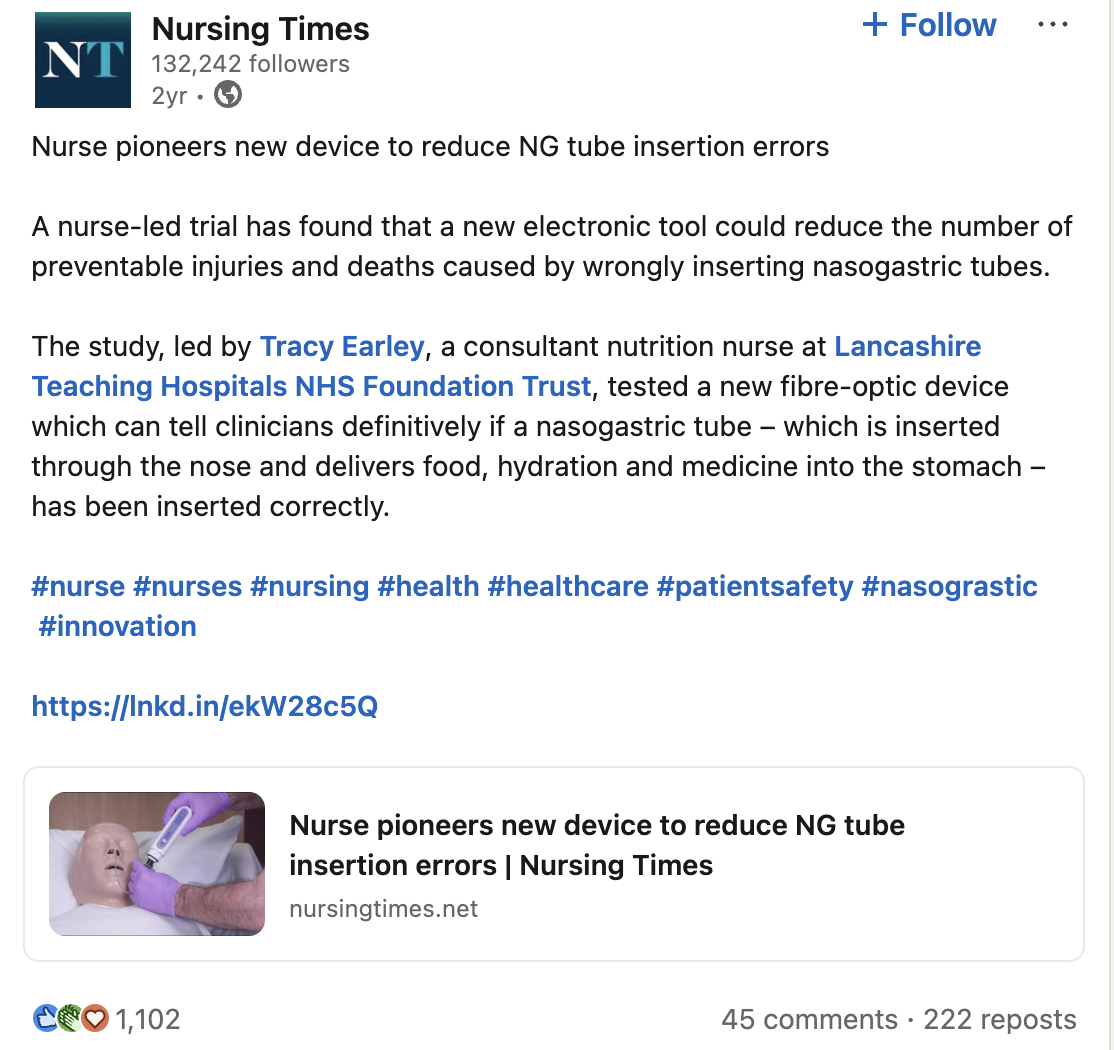
However, there was no bigger hero in this narrative than consultant nurse in nutrition, Tracy Earley, who led the BMJ clinical trial on NGPod and whose story sat at the centre of our strategy for engaging nursing media. In making Tracy a rightful hero in the story, we were able to massively increase engagement among nurses and when Nursing Times shared a LinkedIn post pointing to their article, they attracted more than 1,100 engagements and 200+ shares. The campaign landed 14 media articles and generated upwards of 30 new leads. Read the case study here.
Use creativity to reframe how your audience sees things
The right creative approach can have an enormous impact on the success of a campaign, but we must get the tone of the message right in order to engage, rather than aggravate, our target audience.
The Personalised Care Institute (PCI) works to educate healthcare professionals to give their patients choice and control over their healthcare. With the cost-of-living crisis biting, they wanted to raise awareness among healthcare professionals of the fact that some of the conditions they were seeing more of, such as respiratory illness and mental health issues, could be being exacerbated by financial concerns.
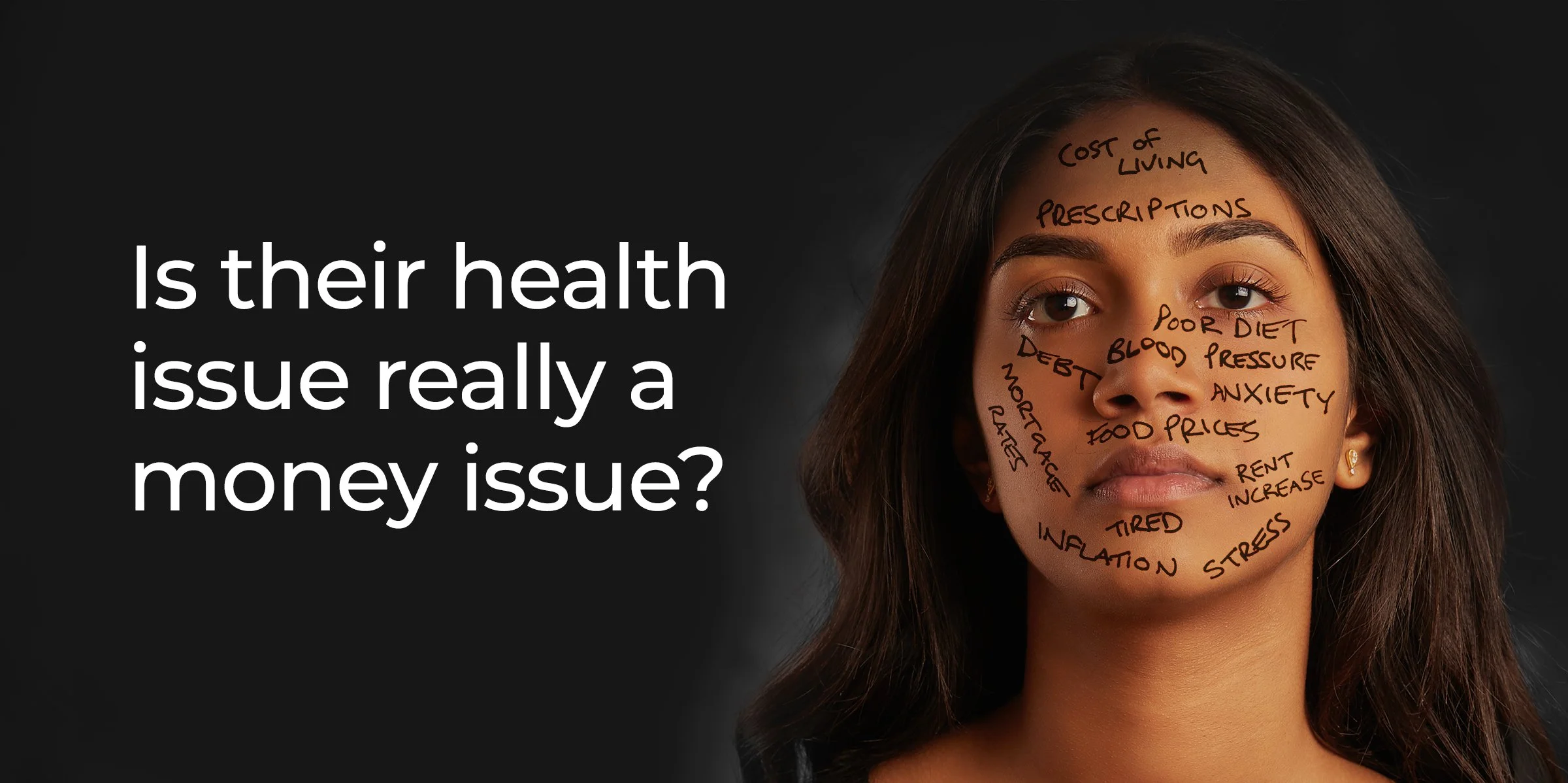
Healthcare professionals spend years training to spot health conditions and so it is no wonder that studies suggest they can, at times, be inclined to consider the symptom first, rather than think more broadly about the ‘whole person’. We needed to persuade health professionals to look beyond the patient’s symptoms, but it would be important to do this in a way that didn’t imply that our audience was currently failing in this.
The central idea that we developed with our partners at Everything’s Fine was that ‘money worries are rarely written all over someone’s face’, but, while the striking image was perfect, we felt that this turn of phrase could imply a level of criticism and we were anxious to avoid that. We tackled this by reshaping the language into an evocative question - ‘Is their health issue really a money issue?’ - that would invite healthcare professionals to think twice, and consider whether financial wellbeing could be a factor. The Money Talk campaign won extensive support across the healthcare sector, with numerous associations thanking the PCI for creating such a valuable resource. The 34 media and stakeholder placements - most of which featured our creative - drove more than 4,000 healthcare professional downloads in just one month. Read the case study here.
Summary
These are challenging and sensitive times, and it is common for healthcare marketing and communications professionals to worry about how best to call for changes to current healthcare practice, while avoiding criticising the audiences they ultimately want to engage. The good news is that if you are even thinking about this challenge then you are on the right path.
The solution is empathy and emotion, because if you can understand and share in the feelings of healthcare professionals by acknowledging their challenges, by recognising their desire to do the right thing and by helping them to see challenging issues differently, then you can open their minds to deeper engagement and inspire willing changes in behaviour.

Leigh Greenwood is the founder and managing director of Evergreen PR, the healthcare PR agency that makes health happen. He is a chartered PR professional who has been working in healthcare PR, public affairs and communications for the last 20 years. He has worked across the whole spectrum of healthcare and has won more than 40 industry awards for effective health campaigns that generated measurable outcomes.
Find out more about Evergreen PR: about us, our services, our work.